
Why Cats Don't Get to the Vet Enough (and What It Costs Them)
August 2, 2026 · By Snoots
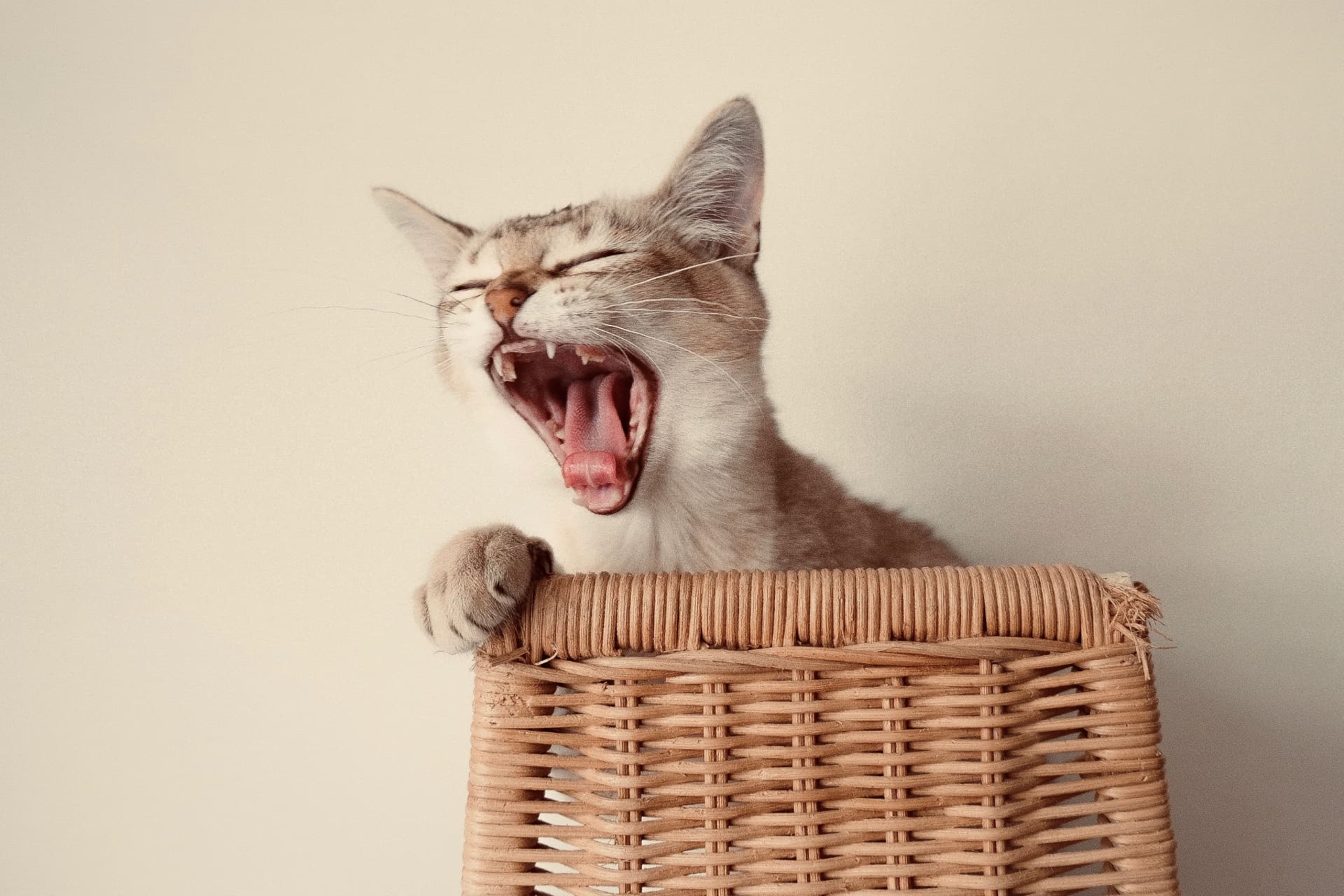
Here is an uncomfortable fact about cat ownership: cats go to the vet roughly half as often as dogs, despite being just as likely to get sick. Many cats go years between visits, and plenty only ever see a vet in an emergency.
The result is that cats are routinely diagnosed with serious illness later than they should be, when it is harder and more expensive to treat, and when the outcome is worse. This is one of the quiet tragedies of cat medicine, and almost all of it is preventable.
Here is why it happens, and what to do about it.
Reason one: cats hide illness
Cats are, by instinct, extraordinary at concealing pain and sickness. It is a survival trait, a wild cat that looks weak becomes a target, so domestic cats mask symptoms until they physically cannot anymore.
By the time a cat is visibly unwell, obviously losing weight, hiding constantly, stopping eating, the disease is often well advanced. Owners frequently say "she was fine last week," and they genuinely believe it, because the cat was hiding it. This is exactly why cats need proactive check-ups rather than wait-and-see: the "wait" is the problem.
Reason two: getting a cat to the vet is genuinely miserable
Let's be honest about this one. The carrier comes out, the cat vanishes. The drive involves yowling. The waiting room smells of dogs. The cat is stressed, you are stressed, and you both swear never again.
For a lot of owners, the sheer ordeal of the trip is enough to postpone it indefinitely, especially for a cat that seems fine. That avoidance is completely understandable, and it is also how problems get missed.
A few things genuinely help: leaving the carrier out at home so it stops being a threat signal, lining it with a familiar blanket, and choosing a vet with shorter waits and a calmer environment. Telehealth also helps for the questions that don't actually need a physical visit, which removes a chunk of the trips entirely.
Reason three: the "indoor cats don't need the vet" myth
Many owners believe an indoor cat is a safe cat that doesn't need regular veterinary care. It is one of the most common and costly misconceptions in pet ownership.
Indoor cats absolutely still develop the conditions that shorten cat lives: kidney disease, hyperthyroidism, diabetes, dental disease, and cancer. None of these care whether your cat goes outside. Indoor living protects against traffic, fights, and some infectious disease, it does nothing against the illnesses that most commonly affect cats as they age.
Reason four: cost and unpredictability
For a cat that appears healthy, a check-up feels like an optional expense, and an unpredictable one. You don't know if it'll be a $70 visit or a $400 one once tests get added. So the visit that has no obvious urgency gets skipped, and skipped, and skipped.
This is the trap. The routine visit that would have caught early kidney disease gets postponed because it costs money and the cat seems fine. Then two years later the cat is in kidney failure, and the bill, and the heartbreak, are enormous.
Why regular visits matter so much for cats specifically
Because cats hide illness, the annual (or twice-yearly for older cats) check-up is doing something it doesn't have to do as urgently for dogs: it is the main way disease gets caught before symptoms appear.
A routine exam plus basic bloodwork can flag kidney disease, thyroid problems, and diabetes months or years before an owner would notice anything wrong. Caught early, these conditions are often manageable for a long time. Caught late, they are frequently fatal. The visit that felt unnecessary is precisely the one that saves the cat.
How to make regular cat care actually happen
Three things remove most of the barriers:
Remove the cost decision. When a check-up is already paid for, the "is it worth it while she seems fine" calculation disappears, and cats get seen on schedule. This is exactly why we built Snoots as a membership. At our Clifton clinic, unlimited consultations and diagnostics like bloodwork are included in your flat monthly membership from $55, so bringing your cat in for a routine check, or because something seems slightly off, costs you nothing extra. That single change, removing the per-visit cost, is one of the most effective things there is for getting cats seen early.
Reduce the ordeal. Telehealth handles the questions that don't need a visit. A calmer clinic and a familiar carrier handle the ones that do. Fewer, less stressful trips means the trips actually happen.
Reframe the indoor myth. Your indoor cat needs the same preventative care as any cat. Schedule it like you would your own check-up, on a calendar, not on symptoms.
The goal is simple: catch things while your cat still seems fine, because with cats, "seems fine" is exactly when the important problems are hiding.
Frequently asked questions
How often should a cat go to the vet?
Healthy adult cats should have a check-up at least once a year. Senior cats (roughly 8 years and older) benefit from twice-yearly visits, because age-related diseases like kidney disease and hyperthyroidism progress quickly and cats hide the symptoms.
Do indoor cats need to see the vet?
Yes. Indoor cats still develop kidney disease, hyperthyroidism, diabetes, dental disease, and cancer, none of which depend on going outdoors. Indoor living reduces some risks but not the age-related illnesses that most affect cats.
Why do cats hide illness?
It's a survival instinct. In the wild, appearing weak makes an animal a target, so cats instinctively mask pain and sickness. This means symptoms often only become visible once a disease is advanced, which is why proactive check-ups matter so much for cats.
What health problems do older cats commonly get?
Kidney disease, hyperthyroidism, diabetes, dental disease, high blood pressure, and cancer are among the most common. Many can be detected early through routine exams and bloodwork, often before an owner notices any symptoms.
How can I make vet visits less stressful for my cat?
Leave the carrier out at home so it stops signalling a trip, line it with a familiar-smelling blanket, and choose a vet with shorter waits and a calm environment. Telehealth can also handle questions that don't require an in-person visit, reducing the number of trips.
Is it worth taking a healthy-seeming cat to the vet?
Yes, and arguably it matters more for cats than any other pet, precisely because they hide illness. A routine exam and bloodwork can catch serious conditions before symptoms appear, when they're far more treatable.
If the cost of a "just in case" check-up is what keeps stopping you, that's exactly the barrier Snoots is built to remove. See how membership works →
STILL WONDERING?
SEE IF SNOOTS IS RIGHT FOR YOUR PET
Tell us a little about your dog or cat and we'll show you what a Snoots membership covers for them — unlimited visits, telehealth and honest pricing at our Clifton, NJ clinic. No pressure, and you can stop at any point.
See if Snoots is right for your petTakes about two minutes · 48-hour risk-free first visit (see Terms)
IF YOU WANT THE NUMBERS
ONE MEMBERSHIP, FROM $55/MONTH
MONTHLY
$65/month · 12-month commitment
CORE CARE
- Unlimited vet & nurse consults (in-clinic + telehealth)
- All vaccinations inc. rabies & Bordetella
- Unlimited telehealth
- Unlimited diagnostic bloods, fecal & urine testing
- X-rays (6 months prepaid to unlock)
- Neutering/spaying* (6 months prepaid to unlock)
- No prescription fee
- Microchipping
- Routine care (nails, anal glands)
- Dental cleaning*: not included on monthly
ADD-ONS
+ Extractions: $600 (basic) / $850 (advanced)
X-rays and neutering* require 6 months of prepaid membership before first use. Dental cleaning is not available on the monthly plan — see our Terms.
START MONTHLYANNUAL
~$60/month · pay annually
Billed $720/year · 12-month commitment
CORE + DENTAL
Dental cleaning alone can cost $1,000+ at a US vet. Included when you pay annually.
DENTAL CLEANING INCLUDED*
Worth $1,000+, included at no extra charge* (coming soon)
- Everything in Monthly, plus:
- Dental cleaning included* (no add-on fee)
ADD-ONS
+ Extractions: $600 (basic) / $850 (advanced)
X-rays and neutering* available from day one — no prepayment required.
CHOOSE ANNUALTWO-YEARLY
Covers the full 24 months
Billed $1,320 once · covers the full 24 months
CORE + DENTAL · PRICE LOCKED
Commit two years today and lock in your rate.
PRICE LOCKED FOR 24 MONTHS
PRICE AND SAVINGS LOCKED
- Everything in Annual, plus:
- Dental cleaning included*
- Price locked for 24 months
ADD-ONS
+ Extractions: $600 (basic) / $850 (advanced)
X-rays and neutering* available from day one — no prepayment required.
JOIN TWO-YEARLYMORE FROM THE BLOG
August 5, 2026
Spaying and Neutering in Clifton, NJ: Costs, Timing, and What's Included
What does it cost to spay or neuter your dog or cat in Clifton, NJ, when should you do it, and what should be included? A clear, no-surprises guide for North Jersey pet owners.
August 4, 2026
New Puppy in New Jersey? Your First Vet Visit Checklist
Just got a puppy in New Jersey? Here's exactly what to do about vet care in the first weeks, when to go, what to expect, what it costs, and how to start your puppy off healthy without the bills piling up.